
When life finally gets quiet, do you feel relieved, or restless? Do you find yourself filling every empty moment, rushing from one urgent thing to the next, or stirring things up when everything is calm? If so, you may be addicted to chaos. It is more common than most people realize, and it is not a character flaw. It is a pattern, and patterns can change.
This guide comes from Chapter 4 of my book DELIGHT: An Enlightened Path to Transforming Life, Spontaneously, titled “The Plague of Our Times,” especially “A Society Addicted to Chaos,” along with “Embracing the Void” in Chapter 13. You will learn what chaos addiction is, why we can become hooked on stress, the signs, what I call Diminished Light Effect, a client story about the fear of stillness and practices to find peace in calm.
What Is It Called When Someone Is Addicted to Chaos?
People use several informal terms: chaos addiction, stress addiction, drama addiction or being a “chaos junkie.” None of these is a formal diagnosis. They describe a pattern of feeling drawn to crisis, urgency and intensity, and feeling uncomfortable when life is calm.
Chaos patterns often grow from early experiences. People who grew up in unpredictable or stressful homes may feel most “normal” when things are intense. Trauma, anxiety and attention differences can also play a role. If chaos patterns feel overwhelming, please consider support from a licensed professional alongside this work.
Can You Be Addicted to Stress?
In my book I describe how many people become as hooked on stress as on any substance. When we feel stressed, the body releases powerful hormones designed for real emergencies. Those hormones bring a surge of energy and urgency. Over time, the brain and body can grow accustomed to that surge and seek it out.
Cyclical thoughts and emotional dramas can become automatic programs the brain learns to run. This is why chaotic patterns can feel so hard to stop. Some part of us is chasing the rush. The good news is that a nervous system that learned chaos can also learn calm.
Our Modern Predators
The ancient body was designed to use stress hormones in true fight-or-flight moments, such as fleeing a predator. Most of us no longer face that kind of danger daily. So, as I write in my book, the mind creates new predators: deadlines, managers, inboxes, schedules and lifestyles. We become hooked on the very stress that pushes us through our days.
Chronic stress takes a toll. It can dull our joy, numb us to pleasure and passion, and pull us away from listening to our hearts. We become consumed with surviving, convinced that danger is lurking somewhere just out of sight.
Signs You May Be Addicted to Chaos
- You feel anxious at the thought of slowing down.
- Calm feels boring, suspicious or uncomfortable.
- You fill every gap with tasks, noise or screens.
- You tune out during conversations because your mind is racing ahead.
- You feel rushed wherever you are.
- You rely on endless to-do lists.
- You often find yourself in conflicts or dramas.
- You stir things up when life is quiet.
- You struggle to sleep because tomorrow’s list won’t stop running.
- You feel most alive in a crisis.
What Happens When You Slow Down?
In my book I invite readers to notice what happens the moment they think about slowing down, resting or simply delighting in something. Ask yourself:
- Do all the things I “should” be doing start crowding into my mind?
- Do I feel uncomfortable, worried or nervous when there is nothing I must do right now?
- Do I feel I ought to be somewhere else, doing something else?
Notice how these feelings appear right when you consider doing something good for yourself. That is exactly how a pattern of chaos protects itself.
Diminished Light Effect
In my book I name a state I have seen in many people: Diminished Light Effect. It is a suffocating sense that drains your life force. It feels like a general diminishment of your very self. Your zest for life leaves. Your passion fades. Your joys dissipate quickly. You feel automated, going through the motions without remembering your power or your why. You feel distracted, worried about the future and haunted by the past. You feel polluted and sluggish, yet frantic and ragged, all at once.
Chronic stress and chaos are among its strongest causes. The antidote is delight, and delight requires space.
A Culture of Chaos and Fear
It is not only individuals. Much of our culture runs on urgency and fear. News, media and advertising often profit from keeping us anxious. Fear drives us into our cars, our jobs and our bills, onto the treadmill, onto the couch or into hiding under the covers. Recognizing this lets you choose what you allow into your mind and your days.
Fighting Against the Flow
We grow up on heroic stories of struggle, of standing firm and fighting the good fight. Protecting ourselves and others can be noble. Yet many of us have become fixated on seeing wrongdoing and threat in everything, and we end up fighting the very flow of life. We create drag where none is needed. Energy spent fighting could lift our anchors so we can flow with delight.
Too Overwhelmed to Overcome
Many people feel too overwhelmed to begin anywhere. With so much competing for attention, we spin our wheels in the mud, looking busy without real traction. Overwhelm itself becomes a kind of chaos that feeds on itself. The way out is to choose one small step, then another.
A Client Story: Embracing the Void
In my book I describe a client I call Trisha, one of the busiest people I had ever known. You couldn’t hold her attention for five minutes before she was up and fiddling or pacing the room. In her late fifties, healthy and fit, she found that work, family duties, volunteering and outings had all dropped away within a few months. She had entered what I call the Void, the empty space you notice when every distraction falls away.
“I feel restless whenever there is silence,” she told me. “I have to fill up every moment with something, or I feel like I’ll go crazy.” Most of us are like Trisha. We cannot handle much empty space, so we stuff the Void with anything to avoid facing it.
I understand the Void personally. I once spent whole days in a tiny, pitch-black room in total silence, held captive. It didn’t teach me much patience, but it taught me the value of embracing the Void. When I embraced it and released my fear, something changed. When I walked out of that room a free woman, I was not the same person who had been thrust into it. Once we embrace the Void, we discover a deepening peace and a quiet bliss.
Running Headlong Into Ourselves
Chaos is often a way of running from ourselves. Looking within can feel frightening, so we focus outward, blaming circumstances and staying busy. Yet no matter how far we run, life keeps running us headlong into ourselves. We take ourselves wherever we go. Better to make a friend of ourselves than to stay forever on the run.
How to Break the Addiction to Chaos
1. Name the pattern with compassion
Notice when you reach for urgency, drama or busyness. Say, “There’s my chaos pattern.” Naming it creates choice.
2. Practice tiny doses of stillness
Begin with one minute of doing nothing. Then two. Then five. Let your nervous system learn that calm is safe.
3. Reduce the triggers
Limit news, notifications and constant input. Protect quiet time in your day.
4. Choose one priority
When overwhelm rises, ask: what is the one most important thing right now? Do that.
5. Replace the rush with delight
Your body seeks intensity. Offer it delight: dancing, laughter, music, nature, creativity. These bring aliveness without depletion. Read ecstatic dance.
6. Look within gently
Chaos often protects us from feelings we fear. With support, let yourself feel what has been waiting beneath the busyness.
Practice One: The One-Minute Void
- Set a timer for one minute.
- Sit still. No phone, no music, no task.
- Breathe slowly and notice whatever arises: restlessness, thoughts, emotions.
- Let everything be as it is.
- When the timer ends, write one word for how you feel.
- Add one minute each day for a week.

Bioenergized healing tool
LIQUID X Emotional Calm Aromatherapy Roller
Roll it on your wrists before the One-Minute Void. It soothes your nervous system so stillness feels safe.
$38
Practice Two: The Chaos Audit
- For one week, note every time you feel the pull toward urgency, drama or busyness.
- Write what was happening just before.
- Look for patterns at the end of the week: times of day, people, feelings.
- Choose one pattern to gently interrupt next week with a breath, a pause or a delight.
Practice Three: The Slow Morning
Once a week, give yourself a slow morning. No alarms if possible. No phone for the first hour. Make breakfast slowly. Sit outside. Notice how your body responds to unhurried time. Over weeks, many people find calm begins to feel like home.
Common Mistakes When Leaving Chaos Behind
- Going from chaos to forced stillness overnight. Your body needs gradual practice.
- Judging yourself. The pattern formed to protect you.
- Replacing one rush with another. Choose nourishing intensity like dance or creativity.
- Isolating. Calm, supportive people make the shift easier.
- Ignoring underlying pain. Seek support when old feelings surface.
The Overcrowded Mind
In my book I describe the overcrowded mind: crowded with obligations, pressures, wants, aspirations, wishful thinking, fears, worries, schemes, plans and reactions, all squeezed into less and less time. An overcrowded mind is fertile ground for chaos. There is no room left for stillness, so the mind keeps generating urgency.
Try this: write down everything currently crowding your mind. Every task, worry and plan. Seeing it on paper often shrinks it. Then circle the three items that truly matter this week, and give yourself permission to set the rest aside for now.
Chaos in Relationships
Chaos patterns often show up most in relationships. Some people feel drawn to partners who bring drama, or feel uneasy in a calm, steady relationship, mistaking peace for boredom. Others create conflict when things feel too close or too quiet.
If you recognize this, be gentle with yourself. These patterns often formed in childhood, where love and chaos may have arrived together. Choosing steady, kind relationships can feel unfamiliar at first. Over time, your nervous system learns that calm love is safe, and it begins to feel like home. Read why do I keep repeating patterns.
Chaos at Work
Many workplaces reward chaos: constant urgency, firefighting and heroic overtime. Some people become known as the one who thrives in crisis and quietly burn out. Begin by noticing which emergencies are truly urgent and which simply feel urgent. Plan ahead where you can. Protect blocks of focused, calm time. Celebrate smooth weeks as successes, never as boring.
What Calm Can Feel Like at First
When you begin stepping out of chaos, calm may feel strange: empty, restless, even anxious. Old feelings that were buried under busyness may surface. This is normal. It is the Void Trisha felt, and it is the doorway to deep peace. Stay with it gently, a few minutes at a time, and let support carry you if feelings feel too big.
Delight Is the Antidote
In my teaching, delight is the antidote to the depletion chaos creates. Delight enlivens you without draining you. It brings energy, joy and aliveness through dance, music, laughter, creativity, nature and connection. When your body has a healthy source of aliveness, it has less need to chase the rush of stress. Read the difference between happiness and joy.
Signs You Are Healing From Chaos
- Quiet moments feel more comfortable.
- You notice urgency without automatically reacting to it.
- Your relationships feel steadier.
- You sleep more deeply.
- You enjoy simple pleasures more.
- Calm begins to feel like home.
Practice Four: The Delight Swap
- Write down three ways you usually create intensity or urgency, such as overcommitting, scrolling late at night or picking fights.
- Next to each, write a delightful source of aliveness you could reach for: dancing to one song, calling a friend who makes you laugh, a brisk walk outside, painting, singing.
- When you feel the pull toward chaos this week, try the delight in its place.
- Notice how your body feels afterward.
Your body wants to feel alive. Giving it healthy ways to feel alive makes chaos far less necessary.
Peace Is Deeply Alive
Many people who leave chaos behind worry that life will become dull. What they discover is a different kind of aliveness: deep presence, creativity that has room to bloom, relationships that feel safe and nourishing, and joy that lasts. Calm is the soil where delight grows best.
Journal Prompts for Leaving Chaos
- When did chaos first start feeling normal to me?
- What do I fear might surface if life became calm?
- Where does my energy go each day?
- What would a peaceful, delightful day look like?
- What is one small way I can welcome stillness this week?

Featured in this article
Realign Instantly to Manifest All Your Dreams & Desires Now
My guided realignment for clearing old patterns fast and returning to calm, delighted alignment.
$33.33
Two Doors, Whenever You Are Ready
Explore my free ebooks and gifts on the free gifts page, or watch the Law of Delight Movie free tonight. If you want me to clear the pattern that keeps chaos running your life in one sitting, book The Shift.
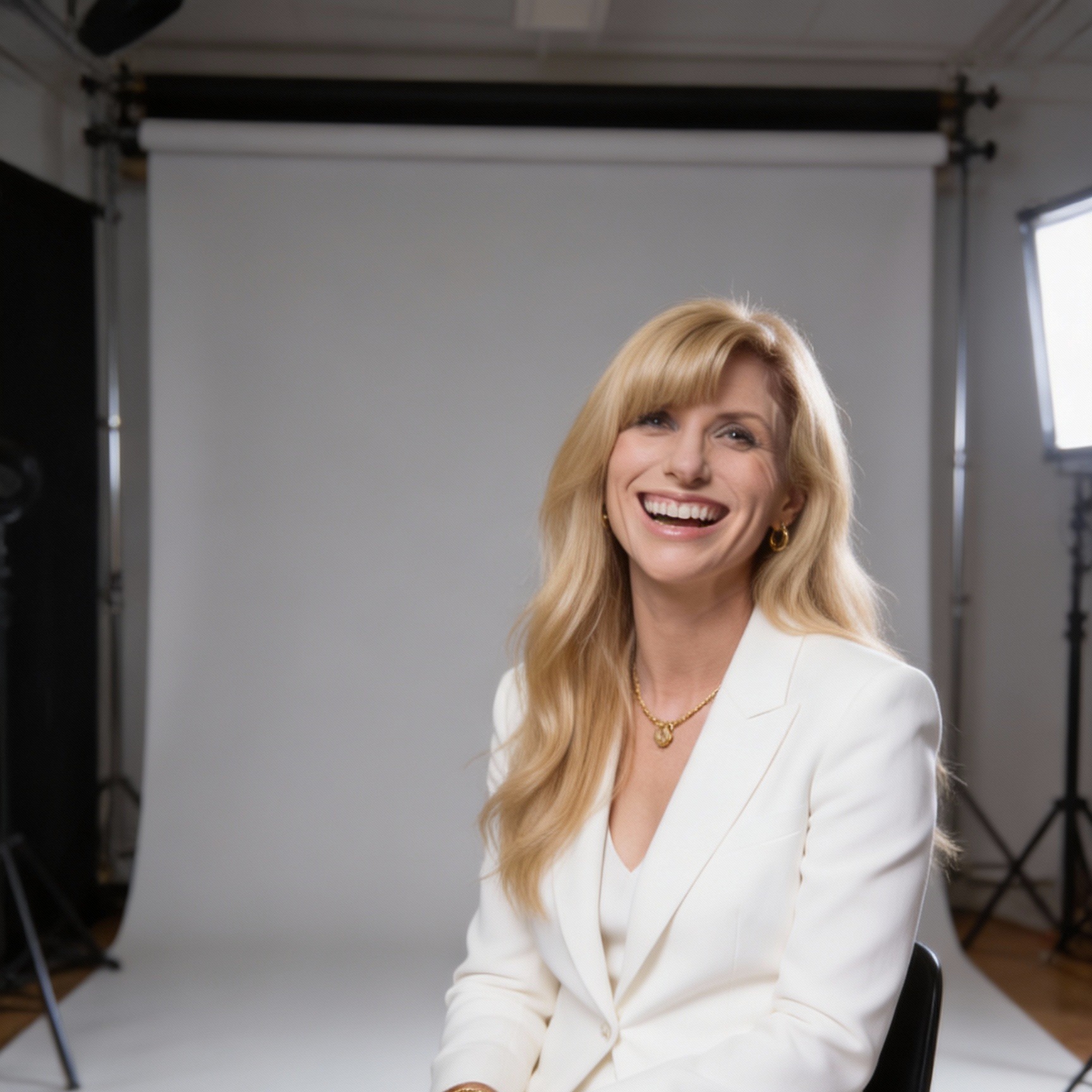
Private session with Isis
Seventy-five private minutes together. We find the pattern that keeps chaos running your life, clear it live, and you leave feeling peace you can trust. Recorded and yours to keep.
$333
Frequently Asked Questions
What is it called when someone is addicted to chaos?
Informal terms include chaos addiction, stress addiction and drama addiction. It is not a formal diagnosis, and it describes a pattern of feeling drawn to crisis and uncomfortable with calm.
Is it possible to be addicted to chaos?
Many people develop a strong pull toward chaos and stress, often because the body grows accustomed to the surge of stress hormones and the mind learns to run familiar dramatic patterns.
What is a chaos junkie?
An informal term for someone who seems to thrive on crisis, urgency and drama, and feels restless when life is calm.
Why do I feel uncomfortable when life is calm?
If chaos felt normal growing up, or if your body is used to stress hormones, calm can feel unfamiliar or even unsafe. Gradual practice teaches your system that calm is safe.
How do I stop being addicted to chaos?
Name the pattern, practice tiny doses of stillness, reduce triggers, choose one priority at a time, replace the rush with delight and look within gently with support.
Is chaos addiction related to trauma?
Often. People who grew up in unpredictable environments may feel most familiar in intensity. A licensed professional can offer support with trauma-related patterns.
What is the Void?
In Dr. Isis Jade’s teaching, the Void is the empty space you notice when distractions fall away. Embracing it reveals deep peace.
What is Diminished Light Effect?
Dr. Isis Jade’s term for a state of depleted life force, marked by lost zest, automated living, distraction and feeling both sluggish and frantic.
Why do I create drama in my life?
Drama can feel familiar if chaos was normal growing up, and it can provide a rush of intensity. Noticing the pattern with compassion and offering yourself healthier sources of aliveness, like delight and creativity, gradually changes it.
How long does it take to stop being addicted to chaos?
It varies. Many people notice changes within weeks of daily stillness practice, and deeper patterns soften over months, especially with support.
More answers live in the Manifesting FAQ. Every Law of Delight term is defined in the Law of Delight Glossary, and the Law of Delight Library holds every article by topic.
Listen on the podcast: Stop Wasting Energy Fighting the Universe