Traditional healers in many cultures ask a striking question when someone comes to them feeling lost, heavy or joyless: “When did you first stop dancing and singing?” It is a question worth sitting with. Ecstatic dance is one of the oldest and most joyful ways to return to your body, release what you carry and reconnect with the delight that lives in movement.
This guide comes from Chapter 11 of my book DELIGHT: An Enlightened Path to Transforming Life, Spontaneously, titled “The Sacred Muses of DELIGHT,” especially the sections on dance as moving meditation and the dervish muse of delight. You will learn what ecstatic dance is, its roots in sacred traditions around the world, what happens at an ecstatic dance gathering, the common guidelines, how to practice at home, the benefits and practices to begin.
What Is Ecstatic Dance?
Ecstatic dance is free-form, expressive movement to music, with no steps to learn and no right or wrong way to move. The goal is to let the music move you, releasing self-consciousness and entering a state of flow, joy and presence. Many people experience it as a moving meditation, a form of prayer or simply a deep release.
In my book I describe dance as one of the sacred muses of delight, alongside music and mantra. Through these muses, we move the busy mind aside and allow our spirit to connect with something greater.
When Did You First Stop Dancing and Singing?
Ask yourself now, and let the answer come slowly. For many people, dancing and singing faded somewhere between childhood and adulthood. Maybe someone laughed at you. Maybe life got busy and serious. Maybe you decided you weren’t “good at it.”
Cultures around the world have used dance for spiritual purposes and for the pure delight that moving the body awakens in the spirit. When we stop dancing, part of our joy goes quiet. When we begin again, it often returns.
Sacred Roots of Ecstatic Dance
Ecstatic movement is found in spiritual traditions across the globe. In my book I explore several:
Moving meditation
Tai Chi, often called a meditative dance of the spirit, cultivates the flow of life energy through slow, flowing movement. Practitioners often describe feeling calmer, more alert and more energized. I also describe the Tsalagi Dance of Life of the Four Directions, a meditative movement practice that resembles Tai Chi.
Sacred circle dances
Many spiritual communities use circle dances to deepen meditative states and strengthen bonds between people. As participants move together, intention focuses, breath unifies and many report a deep sense of clarity and connection.
The whirling of the dervishes
The Sufi practice of whirling, associated with the Mevlevi tradition and the poet Rumi, is one of the best known forms of sacred ecstatic movement. Turning in meditation, the dancer seeks union with the Divine.
Dance in African traditions
Across Africa, dance has long been a holistic celebration that weaves together the Divine, the individual and the community. There are dances to celebrate, to grieve, to heal, to mark rites of passage and to honor relationships. Traditional healers in southern Africa use sacred dance and drumming as part of their healing work.
Dance as devotion
In Kerala, India, dancers devote years to traditional ceremonial dance as a path to blissful oneness with the Divine. Many Native American traditions also hold dance as sacred. In my book I share a beautiful teaching: to dance is to pray, to pray is to heal, to heal is to give, to give is to live, and to live is to dance.
What Happens at an Ecstatic Dance?
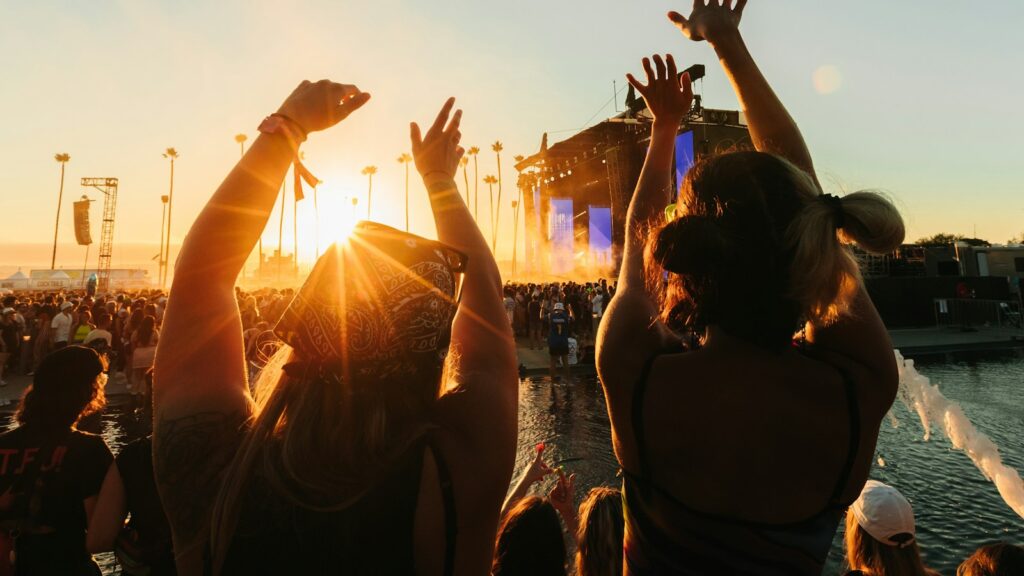
Modern ecstatic dance gatherings take place in studios, community halls and outdoor spaces around the world. While each one is a little different, a typical session looks like this:
- A DJ or musicians play a continuous journey of music, often starting slow, rising to a peak and settling into stillness.
- Participants move however they feel, alone or near others.
- Many sessions open with a short circle or intention and close with a quiet rest or sharing.
- Sessions often last one to three hours.
Common Ecstatic Dance Guidelines
Most gatherings share a few simple agreements:
- No talking on the dance floor, so everyone can stay present.
- No phones or photos, to protect privacy and presence.
- Substance-free, with many events asking participants to come sober.
- Consent and respect, with any partner dancing or touch only when clearly welcome.
- Dance barefoot, when the space allows.
- Move your way, with no judgment of yourself or others.
Is Ecstatic Dance Like a Rave?
There are similarities: music, movement and a sense of collective energy. The intention is usually different. Ecstatic dance focuses on presence, self-expression, connection and inner exploration, often in a substance-free, quiet-voiced space. Many people describe it as part meditation, part celebration, part healing.
Music as Emotive Meditation
Many spiritual teachers describe music as the inner language of the Divine. When I listen to music that truly moves me, no outer communication is needed. My heart communes with the heart of the music, and we become one. Music can carry us into ecstasy and remind us that far vaster experiences exist beyond our everyday expectations.
In my book I describe a simple music meditation: switch off your phone, darken the room, lie or sit comfortably and give the music your full attention. Deepen your breathing in tune with what you hear, and feel the music move through every part of you. That stillness with music can become the first step into dance.
Benefits of Ecstatic Dance
- Emotional release: movement lets stored feelings flow and pass.
- Joy and delight: free movement awakens playfulness and pleasure.
- Presence: the music pulls you into the moment.
- Body connection: you inhabit your body more fully and kindly.
- Creativity: spontaneous movement unlocks creative flow.
- Connection: dancing in community creates belonging without words.
- Stress relief: many people leave feeling lighter and calmer.
How to Practice Ecstatic Dance at Home
Create your space
Clear some floor, dim the lights and close the door. Make it feel safe and private.
Choose a music journey
Create a playlist of thirty to sixty minutes that starts gently, grows in energy, peaks and slows into stillness.
Begin with breath
Stand or lie down and breathe slowly. Notice your body and set an intention, such as “I release” or “I welcome joy.”
Let the music lead
Start with small movements: fingers, shoulders, hips. Let the movement grow naturally. There is no wrong way.
Follow what you feel
If you feel like shaking, shake. If you feel like spinning, spin. If you feel like crying or laughing, let it come.
Rest in stillness
End lying down in silence for a few minutes. Notice how your body feels.
If You Feel Self-Conscious
Most people feel awkward at first. That is normal. Close your eyes. Dance in the dark. Start with just one song. Remember the shaman’s question, and let your body remember how to delight in moving. Self-consciousness fades as delight grows.
Practice One: The One-Song Release
- Choose one song that makes you want to move.
- Close the door and turn it up.
- Close your eyes and let your body move however it wants for the whole song.
- When it ends, stand still and place your hands on your heart.
- Notice what shifted.
Do this once a day for a week. Many people are amazed at how much lighter they feel.

Bioenergized healing tool
Energy Elixir Aromatherapy Roller
Roll it on your wrists before you dance. It awakens bright, joyful energy in your body.
$18
Practice Two: The Five Rhythms Inspired Journey
Create a playlist with five sections, each a few songs long: flowing and gentle, sharp and staccato, wild and chaotic, light and playful, and finally slow and still. Dance through all five, letting each section bring out a different part of you. This kind of journey mirrors the arc of many ecstatic dance sessions.
Practice Three: Music Meditation
Lie down in a darkened room with your phone off. Play music that delights your heart. Breathe in tune with the music and feel it move through you. When you feel moved to rise and dance, follow that impulse. If not, simply let the music hold you.
Common Mistakes With Ecstatic Dance
- Trying to look good. This is about feeling, never performing.
- Copying others. Follow your own body.
- Pushing past physical limits. Move within what feels safe for your body.
- Skipping the stillness. Rest at the end integrates the experience.
- Waiting until you feel ready. Begin with one song today.
Dancing With Others
In my book I write that sacred circle dances strengthen community bonds, unify the breath and focus intention. When people dance together, something remarkable happens: a shared field of delight emerges. You may find yourself moving in rhythm with someone you have never met, laughing with a stranger or feeling deeply connected to a whole room without a single word spoken.
This is the Delight Squared Effect in motion. Joy shared through movement multiplies. If you are new to ecstatic dance, attending a gathering can feel vulnerable at first. Remember that everyone there is focused on their own experience. You belong just as you are. Read how to spread joy.
Dance for Emotional Release
Movement can release feelings that words cannot reach. Anger may want to stomp. Grief may want to sway slowly or curl inward. Joy may want to leap and spin. Fear may want to shake. In ecstatic dance, there is room for all of it. Many people find themselves crying or laughing unexpectedly on the dance floor, and then feeling lighter than they have in months.
Let whatever moves through you move. If a strong emotion rises, slow down, breathe and stay gentle with yourself. If dancing brings up difficult memories, it is wise to pair this practice with support from a trusted person or a licensed professional.
Dance and the Body
Many people carry tension and self-consciousness in their bodies from years of being told to sit still, be quiet or look a certain way. Ecstatic dance invites you to reclaim your body as a source of pleasure and expression. Move within what feels safe and comfortable. Adapt freely if you have injuries or limited mobility: seated dance, swaying, hand and arm movement and gentle stretching all count. Every body can dance in its own way.
Creating Your Ecstatic Dance Playlist
A good ecstatic dance journey often moves through stages. Choose two or three songs for each:
- Arriving: slow, ambient music to land in your body.
- Warming: gentle rhythms that invite small movements.
- Rising: stronger beats that lift your energy.
- Peak: your most energizing, joyful tracks.
- Release: softer music as energy settles.
- Stillness: quiet sounds or silence to rest and integrate.
Choose music without lyrics, or with lyrics in a language you don’t speak, if words pull you into thinking. Instrumental world music, drumming, electronic music and classical pieces all work beautifully.
Dance as a Daily Delight
You don’t need a gathering to dance. Dance while cooking. Dance while getting ready. Dance with your children or your pets. Put on one song at lunch and move. These small dance breaks bring delight into ordinary days and remind your body how joyful it feels to move freely.
Practice Four: The Shaman’s Question Journal
- Write the question at the top of a page: “When did I first stop dancing and singing?”
- Write whatever memories arise, without editing.
- Write how your life might feel if you began dancing and singing again.
- Choose one small way to sing or dance this week.
- After you do it, write how it felt.
Many people uncover a single moment, a comment or an embarrassment, that quietly silenced their joy for years. Naming it frees you to begin again.
Singing as a Partner to Dance
The shaman’s question asks about both dancing and singing. Singing, humming and chanting release emotion, deepen breath and lift the heart, just as dance does. Sing in the shower, hum while you cook, chant your favorite mantra or join a choir. Pair singing with dancing for double the delight. Read mantras for joy.
When You Dance, You Pray
That teaching from my book, to dance is to pray, to pray is to heal, to heal is to give, to give is to live, and to live is to dance, captures the heart of ecstatic dance. Movement becomes a form of devotion, a celebration of being alive. You do not need any belief system to experience it. You only need to let the music move you.
Journal Prompts After Dancing
- When did I first stop dancing and singing?
- What did my body want to express today?
- What feelings moved through me?
- How do I feel now compared to before?
- What would change if I danced every day?

Featured in this article
The Law of Delight Complete Bundle
My complete Law of Delight bundle, so delight moves through your body, your days and your whole life.
$88.88
Two Doors, Whenever You Are Ready
Explore my free ebooks and gifts on the free gifts page, or watch the Law of Delight Movie free tonight. If you want me to clear what keeps your joy locked in your body in one sitting, book The Shift.
Private session with Isis
Seventy-five private minutes together. We release what keeps your joy locked in your body, and you leave lighter and ready to move freely. Recorded and yours to keep.
$333
Frequently Asked Questions
What is ecstatic dance?
Ecstatic dance is free-form, expressive movement to music with no steps to learn, used for joy, release, presence and connection. Dr. Isis Jade describes dance as one of the sacred muses of delight.
What happens at an ecstatic dance?
A DJ or musicians play a continuous music journey while participants move freely. Sessions often begin with an intention and end in stillness, usually without talking or phones on the floor.
Is ecstatic dance always sober?
Many ecstatic dance events ask participants to come substance-free, so everyone can be fully present and safe.
Is ecstatic dance like a rave?
Both involve music and movement, and ecstatic dance usually emphasizes presence, self-expression and inner exploration in a quiet-voiced, often substance-free space.
What are the rules of ecstatic dance?
Common guidelines include no talking on the dance floor, no phones, coming sober, respecting consent, dancing barefoot when possible and moving your own way without judgment.
Can I do ecstatic dance at home?
Yes. Create a private space, make a music journey playlist, set an intention, let your body move freely and end in stillness.
What are the benefits of ecstatic dance?
Many people experience emotional release, joy, presence, body connection, creativity, community and stress relief.
What if I can’t dance?
Everyone can. Ecstatic dance has no right or wrong moves. Begin with small movements, close your eyes and let the music guide you.
Do I need dance experience for ecstatic dance?
No experience is needed. There are no steps to learn and no right way to move. Simply let the music guide you.
What should I wear to ecstatic dance?
Comfortable, breathable clothing you can move freely in. Many people dance barefoot.
How often should I do ecstatic dance?
Even one song a day brings benefits. Many people enjoy a longer dance session once a week, and a gathering once a month.